Summer Tires vs UHP All-Seasons for Daily Driven Performance Cars
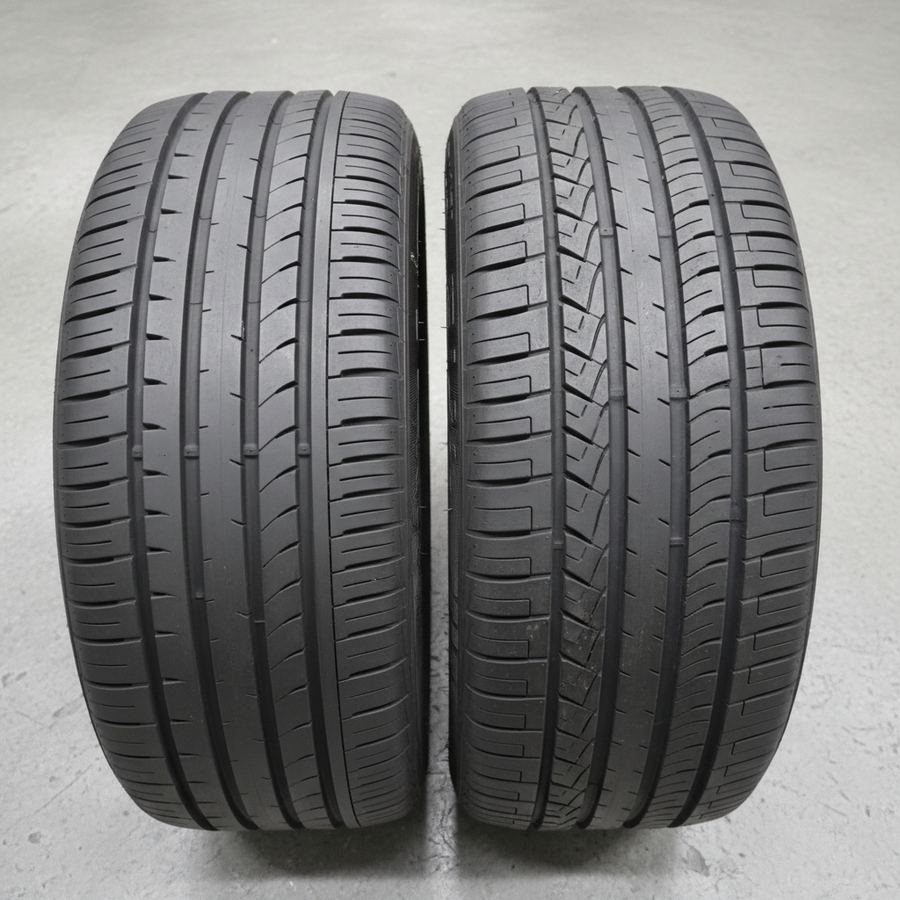
If you drive a modified street car, you have probably stared at the same decision: summer tires or UHP all-seasons. Both categories target performance drivers. Both promise grip. But they solve different problems, and picking the wrong one for your situation means either compromised grip or a car you cannot drive for four months of the year.
This is a practical comparison for people who actually daily-drive their cars. Not track day warriors. Not weekend-only garage queens. People who commute, run errands, and still want their car to perform when they ask it to.
Summer Tires: What You Actually Get
Summer tires use a soft, sticky compound designed to work in warm conditions. The tread patterns are simpler, with larger contact patches and fewer sipes than all-season designs. This gives them a measurable advantage in dry grip and a noticeable advantage in wet grip, as long as the temperature stays above roughly 7 degrees Celsius.
On a modified car making 250 to 400 horsepower, the difference in traction off the line is immediately obvious. A 200tw summer tire on a 245-width rim will hook harder than a 400tw UHP all-season in the same size. Cornering grip follows the same pattern. The car rotates better, the limits are higher, and the feedback through the steering is clearer.
That all sounds great until the temperature drops. Summer tire compounds harden in cold weather. Below 7C, grip drops significantly. Below freezing, they become dangerously hard and slippery. This is not a gradual decline. It is a sharp falloff that can catch you off guard on a cold morning even if there is no ice or snow on the ground. If you live anywhere with real winters, summer tires mean either a second set of wheels or a car that sits in the garage from November to April.
UHP All-Seasons: The Compromise That Works
Ultra-high-performance all-seasons try to split the difference. They use compounds that stay flexible at lower temperatures while still providing decent warm-weather grip. Tread patterns include more siping for cold and wet traction but maintain enough contact patch for spirited driving.
The grip ceiling is lower than a dedicated summer tire. There is no way around this. On a warm day at a highway on-ramp, you will feel the difference if you have driven both. The UHP all-season breaks traction sooner, understeers earlier, and does not communicate the limit as clearly through the steering.
But the tradeoff is real usability. You can drive to work on a 2C morning in November without worrying about the car sliding on a painted road marking. You can handle an unexpected early frost without swapping wheels that weekend. For a daily-driven car in a climate with cool shoulder seasons, that flexibility matters more than the last 5% of dry grip you gave up.
Dry Grip: How Big Is the Gap
In controlled testing, the difference in dry braking from 100 km/h between a top-tier summer tire and a top-tier UHP all-season in the same size is typically 2 to 4 metres. In cornering, the summer tire holds about 0.03 to 0.06 more lateral G on a skidpad. These are measurable, repeatable differences.
For street driving, this gap is less dramatic than it sounds. You are never at the adhesion limit on public roads unless something has gone wrong. The summer tire advantage shows up most in hard launches, aggressive cornering, and emergency manoeuvres. During normal spirited driving, the UHP all-season feels planted and predictable. It just runs out of grip sooner when you push it.
If your car makes serious power and you like to use it, the summer tire's extra grip is a real safety margin, not just a performance flex. A 350 horsepower car on UHP all-seasons will spin the rears in second gear where the same car on summers would hook and pull. That matters when you are merging onto a highway and need the traction now.
Wet Performance: Closer Than You Think
Modern UHP all-seasons have closed the wet grip gap significantly. Brands like Continental, Michelin, and Bridgestone have invested heavily in wet traction for their all-season performance lines. In rain, a good UHP all-season like the Continental ExtremeContact DWS06 Plus or the Michelin Pilot Sport All Season 4 performs within 1 to 2 metres of a summer tire in braking tests from 80 km/h.
Summer tires still hold the edge in standing water at speed because their tread patterns channel water more efficiently under high load. But the gap is narrow enough that most street drivers would never notice it. What they will notice is the UHP all-season's superior performance in cold rain, where the summer tire's compound starts to stiffen and loses its advantage entirely.
Treadwear: The Cost Equation
This is where the all-season pulls ahead decisively. Most summer performance tires in the 200 to 300 treadwear range last 25,000 to 40,000 km depending on driving style, alignment, and power output. UHP all-seasons typically land in the 400 to 560 range and last 50,000 to 75,000 km.
On a modified car that eats rear tires, this gap is amplified. A 300 horsepower front-wheel-drive car with aggressive alignment settings will chew through 200tw summer tires in 15,000 to 20,000 km. The same car on 500tw UHP all-seasons might get 35,000 to 45,000 km from a set. Over the life of the car, you could buy two sets of summers for every one set of all-seasons. That is real money, especially when you factor in mounting and balancing each time.
If you are running summer tires, make sure your alignment is dialled in. Bad alignment on a soft compound is the fastest way to destroy expensive rubber. Even half a degree of excess camber or toe will shave thousands of kilometres off their life.
Noise: Living With Your Choice
Summer tires are generally quieter than UHP all-seasons. The simpler tread patterns and larger tread blocks produce less pattern noise at highway speeds. UHP all-seasons, with their additional siping and more complex tread designs, tend to hum more at 100 to 120 km/h. The difference is not huge, but on a car with a stiff suspension and minimal sound deadening, every additional source of noise is noticeable.
If you have already lowered your car on coilovers or springs, the ride is already louder than stock. Adding a noisier tire compounds the problem. Something to consider if cabin comfort matters to you.
So Which One Should You Buy
The answer depends on three things: your climate, your driving habits, and whether you are willing to run two sets of wheels.
Buy summer tires if you have a second set of winter wheels and tires, your region gets consistently warm weather for at least six months, and you want maximum grip during those months. Summer tires reward drivers who push their cars and want the best possible connection between the car and the road. If you are already spending money on suspension upgrades to improve handling, skimping on the tire that connects everything to the pavement is backwards.
Buy UHP all-seasons if you daily-drive the car year-round with one set of wheels, your climate has cool mornings in spring and fall that dip below 10C, or you would rather spend less on tires over the life of the car. A good UHP all-season is 85% of a summer tire in warm conditions and vastly safer when the temperature drops. For most daily-driven modified cars, that is the right balance. Our guide to choosing tires for grip and daily use covers the width and compound decisions in more detail.
Never run regular all-seasons on a performance car. Standard all-season tires are designed for minivans and crossovers. They have low grip ceilings, vague feedback, and sidewalls that flex under hard cornering. If your car has more than 200 horsepower and any suspension modifications, you should be on either UHP all-seasons or dedicated summers. Regular all-seasons defeat the purpose of every other performance modification on the car.
Final Thought
The tire is the single most important performance part on your car. Every horsepower, every suspension upgrade, every alignment setting is filtered through four contact patches the size of your palm. Getting this choice right matters more than your next bolt-on.
If you want to see what is available in your size and compare treadwear ratings and prices side by side, compare available fitments at Tires.org. Sort by your wheel diameter and width, and the math will do the rest. A good tire matched to your driving situation will always outperform an expensive tire in the wrong application.