Keeping a Modified Car Reliable
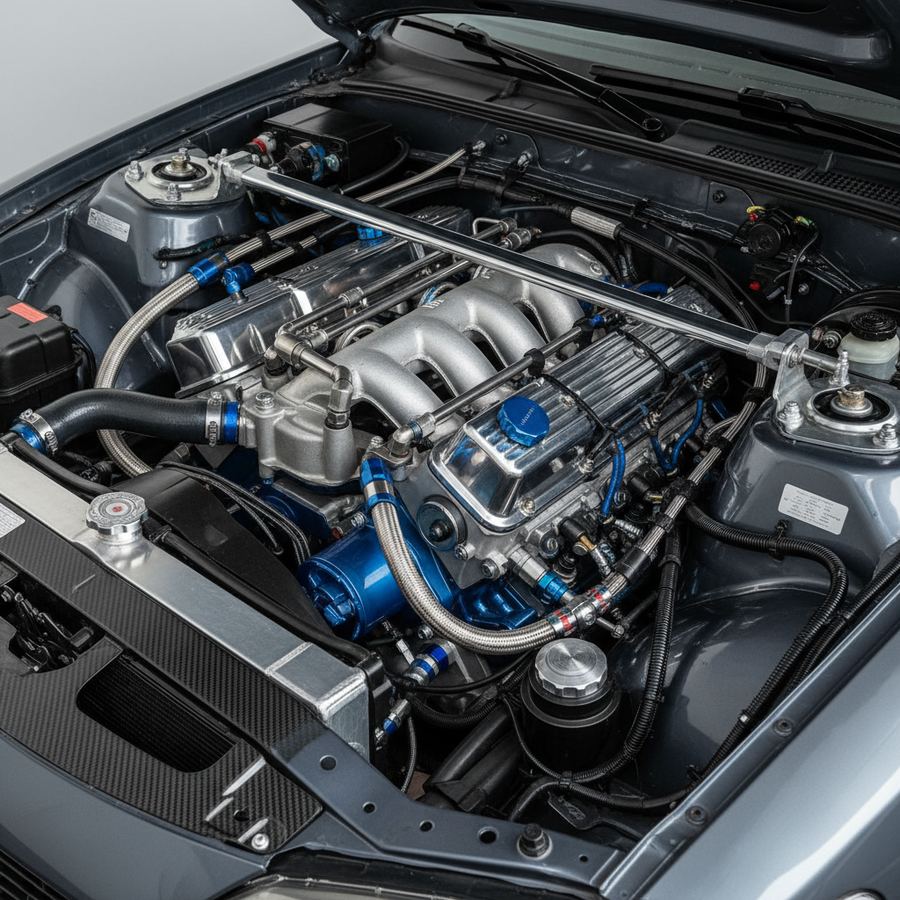
Building a fast car is easy. Keeping it running for years is the hard part. The car community is full of builds that made great power on the dyno and then blew up three months later because the owner skipped oil changes, ignored a cooling issue, or let a small problem turn into a big one. A modified car needs more attention than a stock one. The parts are working harder, the tolerances are tighter, and the consequences of neglect are more expensive.
Reliability is not exciting. Nobody posts Instagram stories about changing coolant. But the car that shows up every weekend and runs clean is worth more than the one that makes 50 extra horsepower and sits on jack stands half the year.
Cooling Is Everything
More power means more heat. A stock cooling system that handled 200 horsepower just fine may struggle at 350. Coolant temperature creeps up in traffic, intake temps spike on hot days, and the transmission or oil temperature stays elevated longer than it should. All of that accelerates wear.
An upgraded radiator with more core thickness or better fin density is one of the best reliability modifications you can make to a tuned car. It is not glamorous, but it is the difference between a car that runs 195 degrees all day and one that climbs past 220 in stop-and-go. Oil coolers serve the same purpose for the lubrication system. If your datalogs show oil temps consistently above 250 degrees, an oil cooler is not optional.
Temperature Guidelines
Coolant: 180-210 F is normal operating range for most platforms. Sustained temps above 230 F cause accelerated wear.
Oil: 200-240 F is typical. Above 260 F, oil starts losing viscosity and protective properties.
Transmission fluid: 175-200 F for automatics. Every 20 degrees above 200 cuts fluid life in half.
Fluid Maintenance on Modified Cars
Factory maintenance intervals assume stock power levels and normal driving. If you are making more power and driving harder, those intervals need to shrink. Use better fluids and change them more often. That is the entire strategy.
- Engine oil: Use a quality full-synthetic that meets your engine's spec. Change it every 3,000-5,000 miles on a tuned car, not the 10,000-mile intervals some manufacturers suggest. That interval is for stock cars driven gently.
- Transmission fluid: Manual gearboxes benefit from fluid changes every 30,000 miles. Automatic transmissions in tuned cars should see fresh fluid every 25,000-30,000 miles. Heat kills ATF faster than anything.
- Brake fluid: Flush every 12-24 months. Brake fluid absorbs moisture from the air, which lowers its boiling point and accelerates corrosion inside the brake system.
- Coolant: Replace every 2-3 years or per the manufacturer's recommendation. Do not mix coolant types.
The Small Stuff That Kills Builds
It is rarely the big dramatic failure that ends a build. It is the small things that get ignored. A boost leak that goes undiagnosed because the car "still drives fine." A check engine light that gets ignored for six months. A vibration at highway speed that turns out to be a wheel bearing about to seize. A cracked intercooler boot that causes the tune to run lean at high boost because the air is escaping before it reaches the engine.
Get in the habit of actually looking at your car. Pop the hood once a week. Check for fluid leaks, loose clamps, cracked hoses, and anything that looks different from last time. Listen for new noises. Pay attention to how the car feels. A modified car talks to you constantly. You just have to listen.
Rust Prevention
This applies mostly to cars in salt-belt states, but it is worth mentioning everywhere because rust does not care about your horsepower numbers. Subframe rot, rocker panel rust, and brake line corrosion kill more builds than blown engines ever will. It is hard to justify a $5,000 turbo kit on a car with compromised structural integrity.
Undercoating (fluid film or similar products) applied annually before winter is cheap insurance. Wash the undercarriage regularly during salt season. Inspect brake lines, fuel lines, and subframe mounting points yearly. If you find rust, deal with it immediately. A small rust spot that costs $200 to fix today costs $2,000 next year when it has eaten through the panel.
Monitoring Your Car
Datalogging is the most powerful reliability tool available to you. A quick pull every few weeks and a glance at the key parameters tells you whether everything is still healthy. AFR drift, new knock events, or boost that is not hitting target are all early warnings. Catch them in a log and you fix a sensor or adjust a tune. Miss them and you fix an engine.
Gauges help too. An oil pressure gauge and a wideband AFR gauge are the two most useful additions to a tuned car's interior. Oil pressure dropping at hot idle tells you the oil is too thin or the bearings are wearing. AFR wandering under load tells you the fuel system needs attention. Both of those warnings come long before catastrophic failure if you are watching.
The SAE J2818 standard for vehicle maintenance provides a framework for maintenance scheduling that applies well to modified cars when intervals are adjusted for increased thermal and mechanical stress.
Articles in This Section
- Keeping a Tuned Car ReliableMaintenance habits that prevent the most common tuned-car failures.
- Cooling Upgrades That MatterRadiators, oil coolers, and intercoolers that keep temperatures in check.
- Rust Kills Builds TooUndercoating, inspection, and rust prevention for cars in harsh climates.